Campaign 3
Level Design
← Portfolio
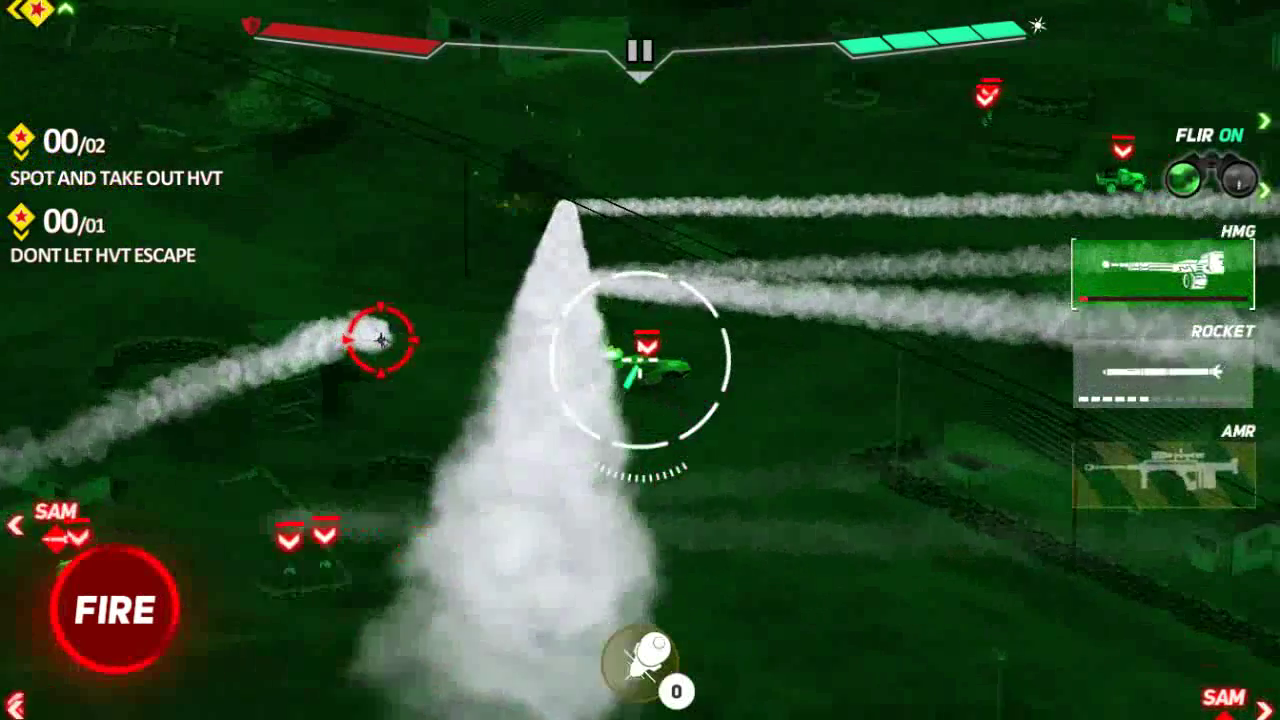
Overview
I designed and built twelve High-Value Target missions and three boss fights for Campaign 3, and owned each of them from the first concept through to final release.
Working as a campaign level designer in Unity 3D and reporting to the Lead Designer, I took every mission through the full pipeline myself: paper design, documentation, greybox prototype, iteration, final art production, and QA. Alongside the design work I also carried product management responsibilities — tracking deliverables, managing scope, and making sure the content shipped to quality on schedule.
Fifteen missions in total: twelve HVT encounters and three boss fights, each built to stand on its own while contributing to a campaign arc that held its momentum from start to finish.
What I Was Designing For
Momentum and Variety
Every mission needed to be engaging and high-intensity so the campaign kept its momentum, but the encounters had to stay varied and well-paced so missions didn't blur into one long firefight. Pacing within a mission and variety across the campaign were both design constraints from the start.
A Balanced Difficulty Curve
Difficulty had to climb on a balanced curve across the full campaign rather than spike. Sudden spikes frustrate players and break immersion. A curve that climbs steadily gives players the sense that they're advancing, because they are.
Boss Fights That Feel Like Events
The three boss fights needed to be genuinely memorable. Those are the moments players remember and talk about afterward, so each one was designed with its own mechanics and phases — something distinct, not a scaled-up version of a normal encounter.
From Concept to Release
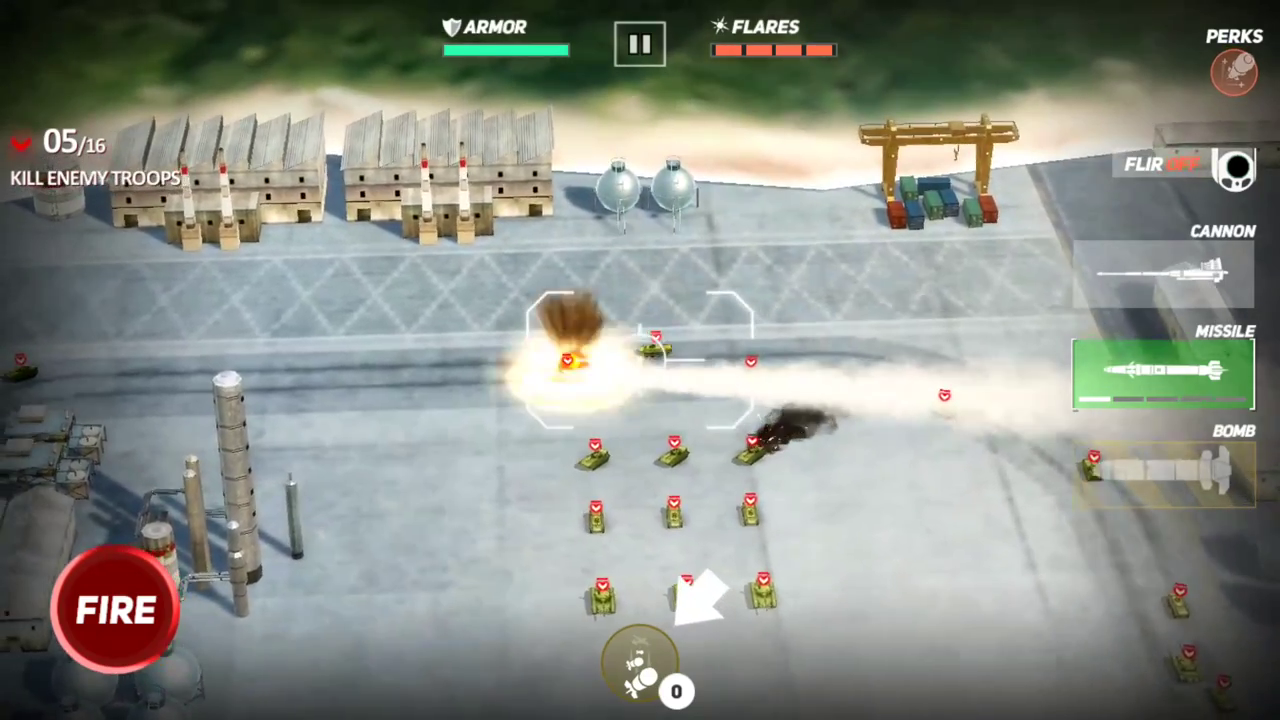
Every mission started on paper. I sketched the level layout and worked through the things that decide whether an encounter plays well: how the player flows through the space, where enemies sit, and how the pacing rises and falls across the mission. I iterated those layouts with the Lead Designer before anything got built — paper is the cheapest place to find out an idea doesn't work.
Once a layout held up, I wrote it into a detailed level design document covering the objectives and win conditions, the enemy types and counts, and the encounter structure with the difficulty intent behind each beat. Getting that approved before production meant everyone agreed on what the mission was before any time went into building it. As product manager I also tracked each mission's status through this gate and flagged anything at risk of slipping.
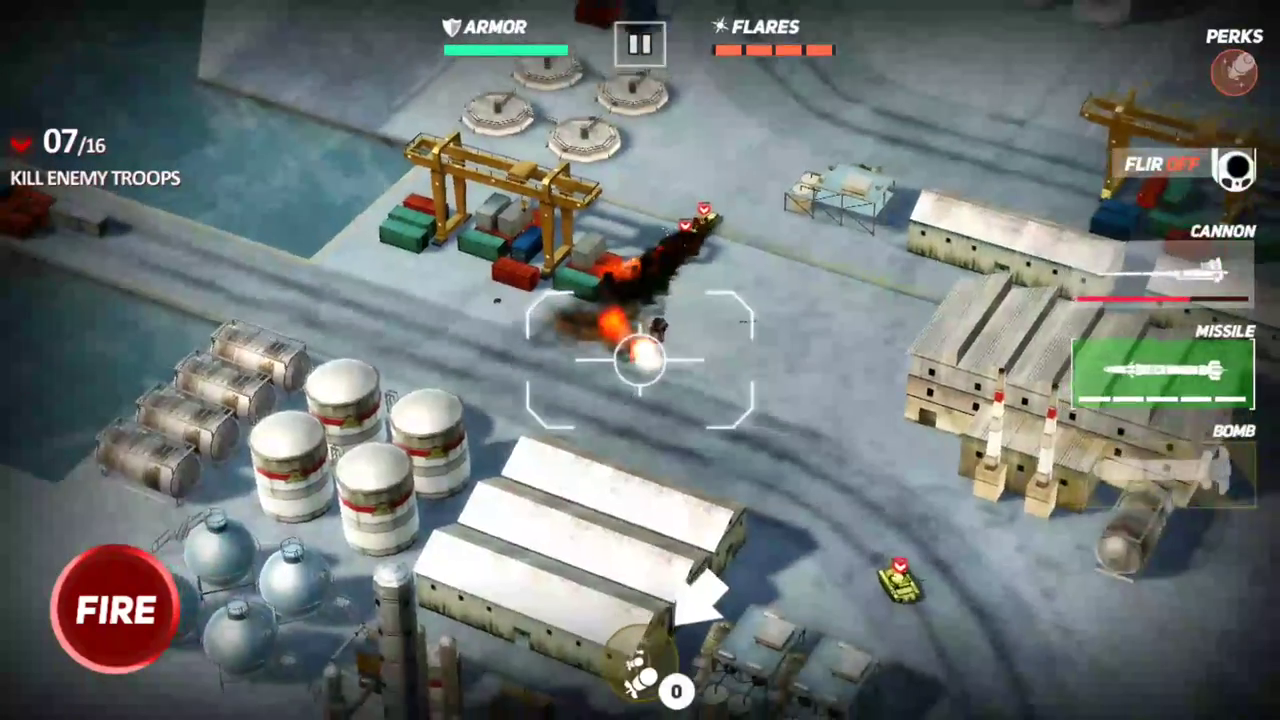
From there I greyboxed the level in Unity — basic geometry, enemy spawns, paths, and triggers. Greybox is where you learn how a mission actually plays, so I used it to validate the flow and navigation before any art existed. I reviewed each prototype with the Lead Designer and refined the pacing, the difficulty, and the enemy density, iterating until the mission hit the gameplay targets we'd set.
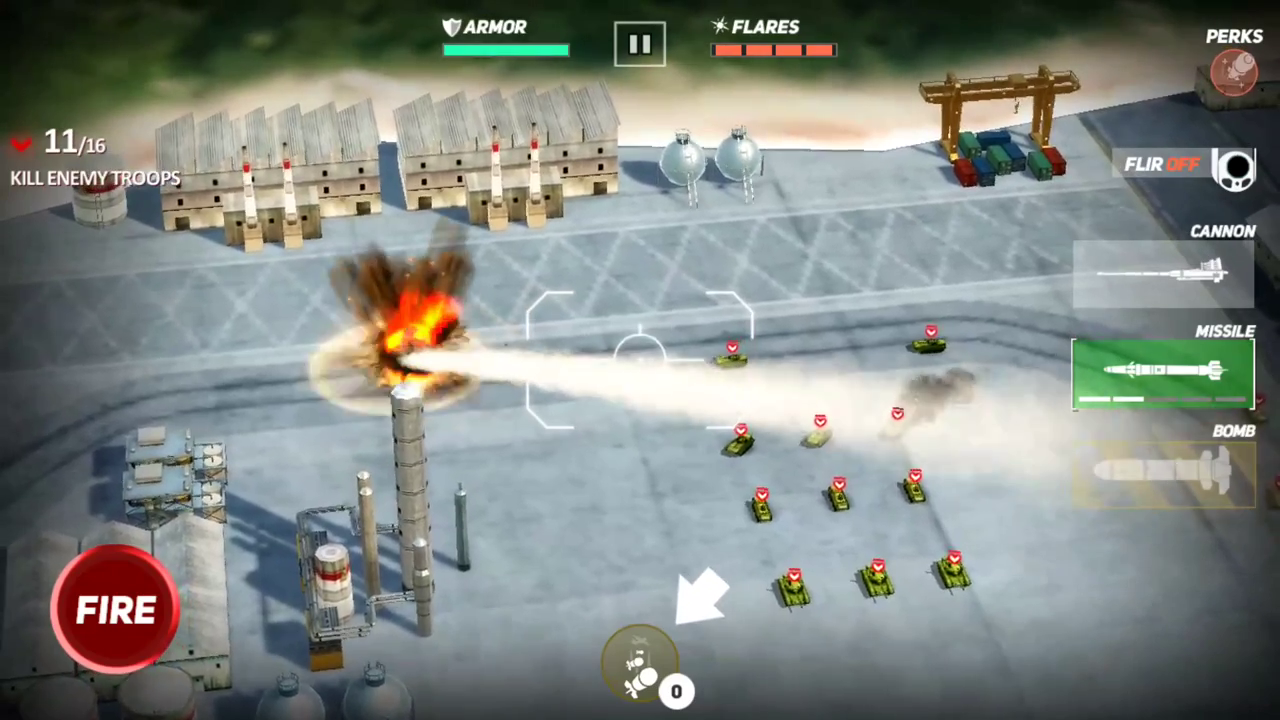
Only after the greybox was approved did I rebuild the level with final art assets, keeping the space visually clear and consistent and working with the art team on the final polish. The visual pass had to preserve the gameplay clarity established in greybox — a well-playing level can be broken by art that confuses navigation or obscures threats.
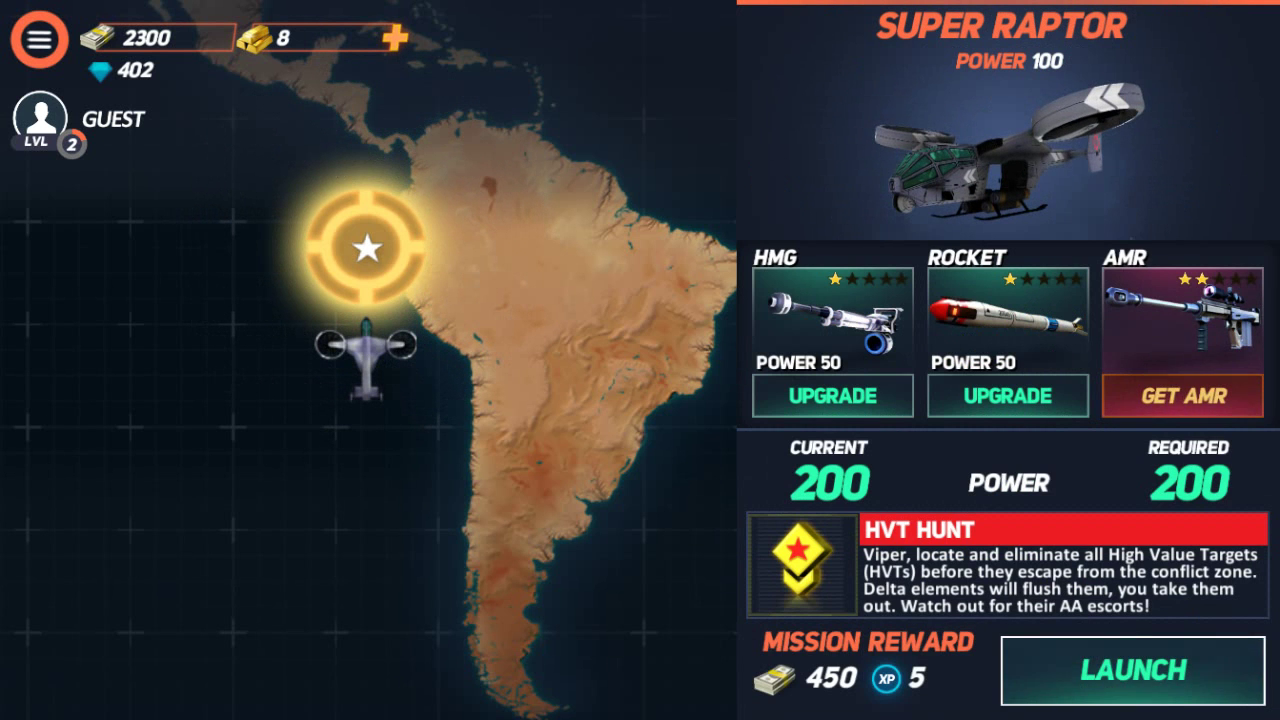
I submitted each level through JIRA and fixed what came back — mostly enemy behaviour, pathing, and progression blockers. On the product side I managed the QA pipeline for the campaign content, prioritised fixes, and made sure the fifteen missions cleared to release without holding up the wider build.
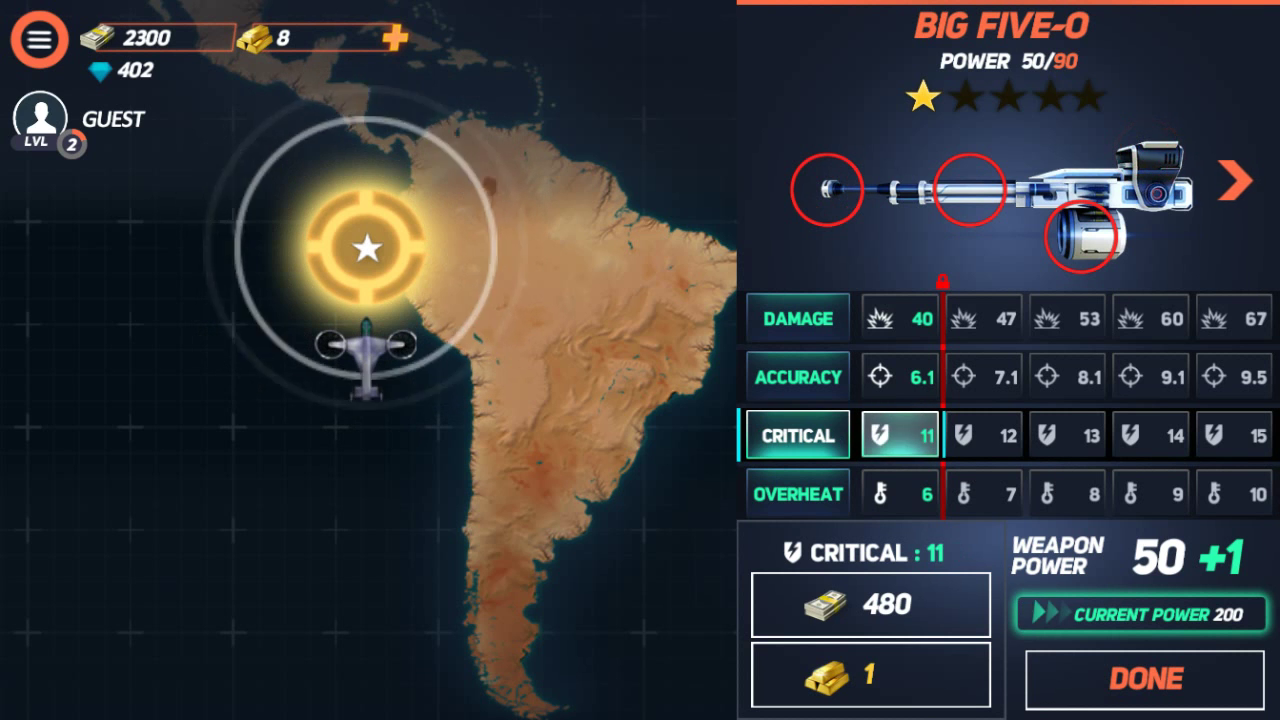
The Boss Fights
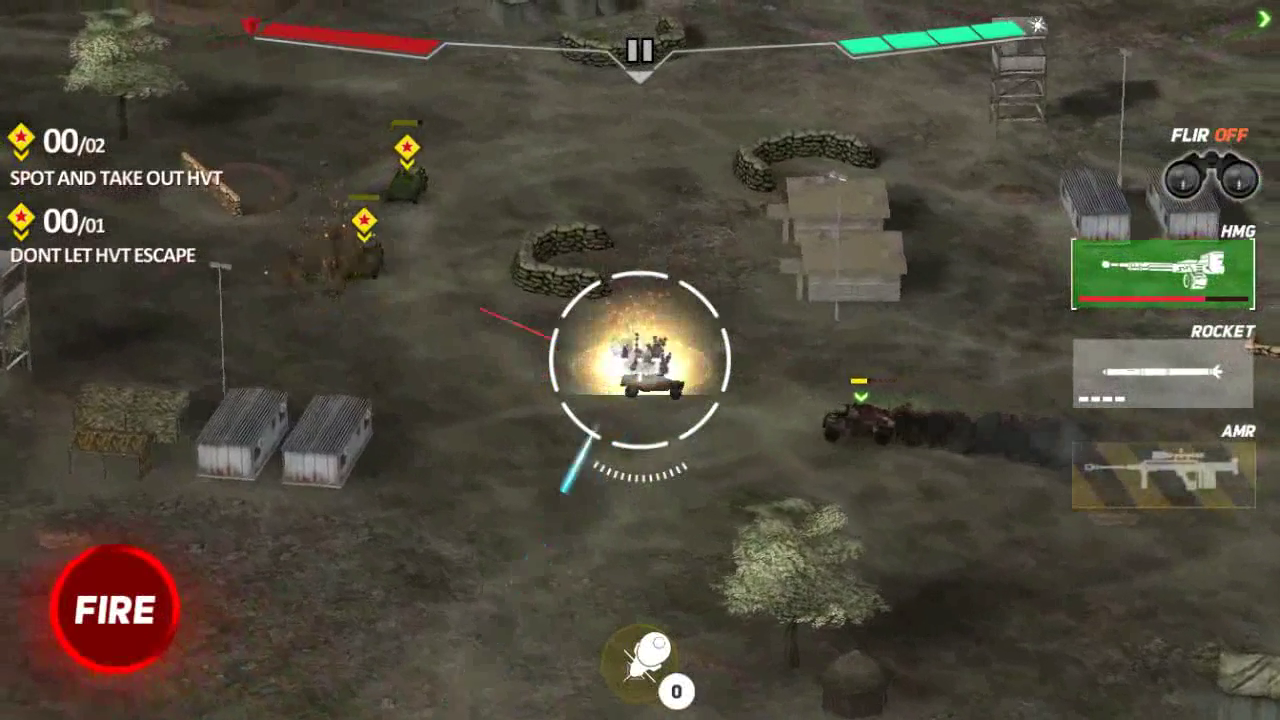
Each of the three boss fights was designed with its own mechanics and phases rather than scaling up a normal encounter.
Each boss had distinct attack patterns the player had to learn and read, and progression milestones that carried the fight through its phases, so the encounter built toward a climax instead of being a single long health bar. The aim with each was a fight that felt like an event — something the player would remember, not just another mission they'd cleared.
Boss fights are the moments players talk about. They're the peaks that justify the campaign that led to them, and I treated them as a separate design problem from the HVT missions: higher stakes, slower revelation, more mechanical depth.
What I Owned
Twelve HVT missions and three boss fights, each taken end-to-end from paper design through final release: layout design, level design documentation, greybox prototyping in Unity 3D, final art production, and QA via JIRA. I also carried the product management responsibilities for the campaign content — milestone tracking, scope management, and delivery.
Design Impact
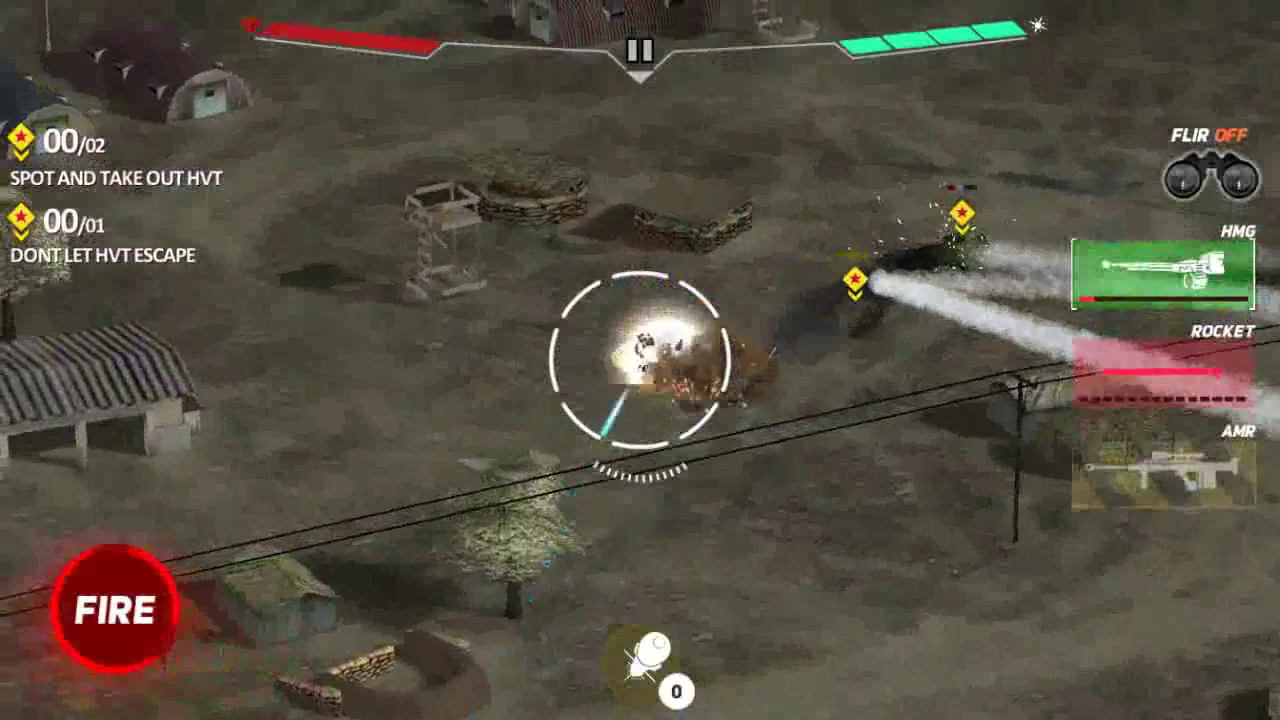
- Fifteen missions delivered on schedule
- Varied pacing kept the campaign from feeling repetitive
- Balanced difficulty curve across all twelve HVT encounters
- Three distinct boss fights gave the campaign its memorable peaks
- Improved overall Campaign 3 completion and satisfaction
Outcome
The missions delivered the variety and pacing the campaign needed.
Players moved through a sequence of distinct encounters rather than a repetitive grind, and the balanced difficulty curve held across the full fifteen missions improved how the whole campaign flowed. The boss fights gave it its memorable peaks.
On the product side, running the content pipeline as its own managed workstream — design documentation approved before production, greybox reviewed before art, QA tracked in JIRA — meant fifteen missions cleared to release without blocking the wider build.