Combat System
Design
← Portfolio
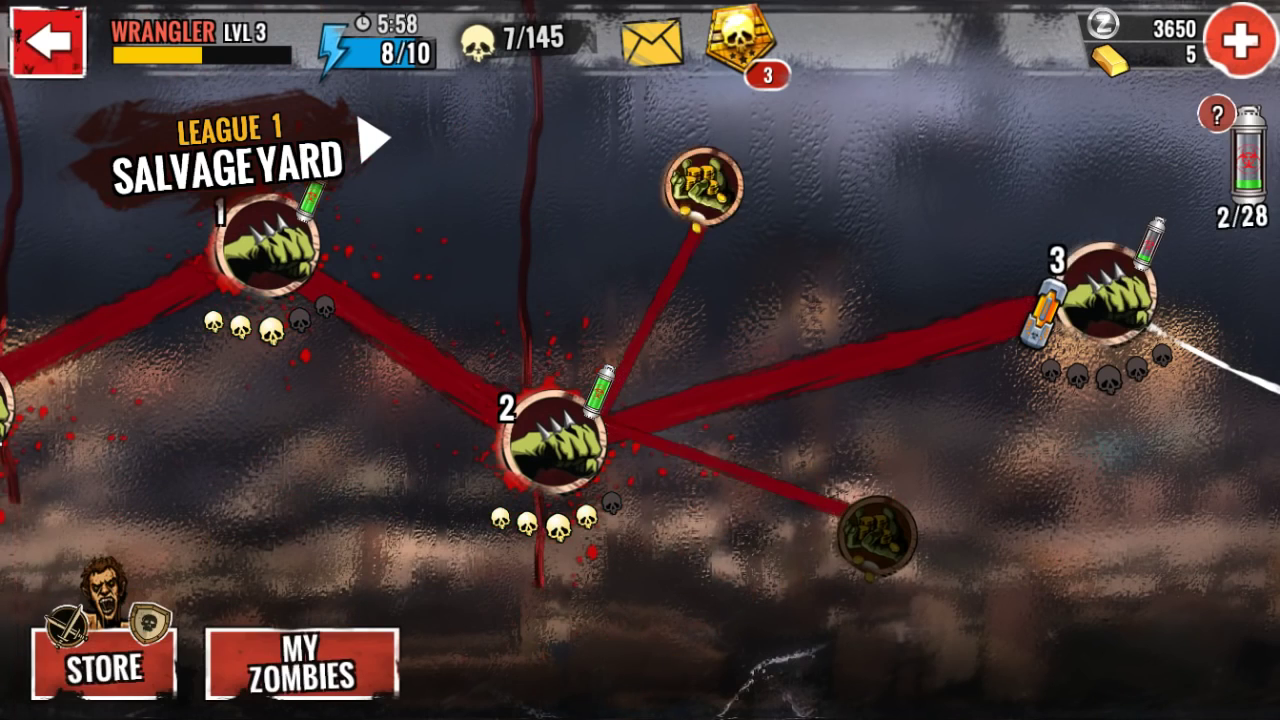
Overview
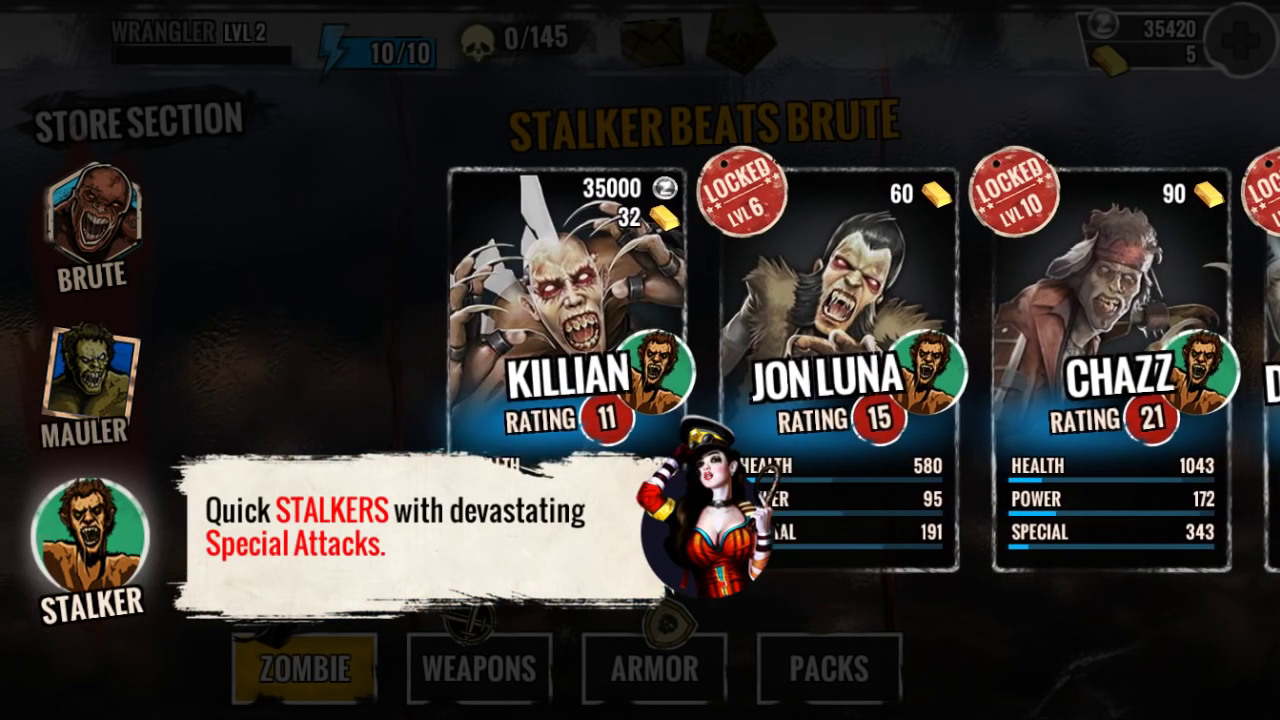
Zombie Ultimate Fighting Champ is a slow brawler set in an apocalyptic world — a weighty, deliberate fighting game where every hit carries commitment.
I worked on it across the production cycle as the combat and systems designer, owning the combat system, the animation pipeline, the AI, the character frameworks, and the first-time user experience. The brief was deliberately against type: weight and commitment over speed, telegraphs over reaction, so a loss felt like a read that failed rather than a reaction that was too slow.
Alongside the design and systems work I carried product management responsibilities — tracking the pipeline across art, animation, and engineering, managing scope, and making sure the production delivered what the design required.
What I Was Designing For
Weight and Commitment
Every hit had to carry consequence. The startup, active, and recovery frames decide how a move plays and how punishable it is — and in a slow brawler, those windows are wider and more deliberate than in a fast fighter. The whole system was tuned to make commitment feel meaningful rather than arbitrary.
Characters That Play Like They Look
A clown zombie should fight differently from a scarecrow zombie. Each character had a distinct personality mapped onto how they played, so the way a zombie fought told you who it was before it landed a single hit. Silhouette clarity in the animation made those telegraphs readable at a glance.
AI That Reads the Fight
AI opponents needed to feel reactive, not scripted. A probability-based system keyed off fight state — health, power bar, player progression — so opponents responded to what was actually happening rather than following a fixed routine. That's what made them feel like they were reading the fight rather than running a pattern.
How It Came Together
I started with research, working with the Lead Designer to study moves and animations and set up the gameplay foundation. From there I designed twelve moves per zombie — from basic attacks up to heavy committed strikes — plus three cinematic special moves each, with animation references sourced for every signature moment. Underneath the moves I built the combat rules: move priority, frame advantage and disadvantage, and interrupt logic. I used UFE (Ultimate Fighting Engine for Unity 3D) to set up the moves and events and block out the first playable.
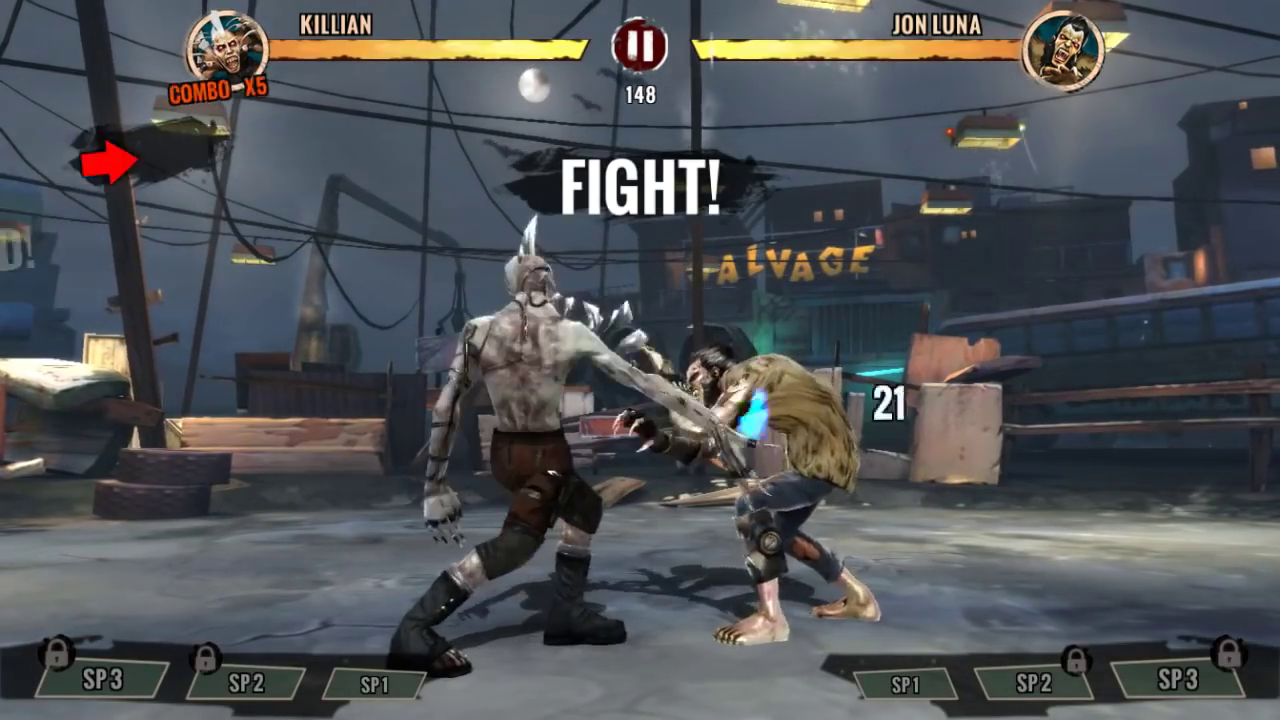
Each move was built as a combo asset file bringing together the animation, hitbox configuration, and the particle and sound effects assigned to specific frames. That frame-level work is the heart of brawler feel. Particle and sound cues have to land on the exact impact frame — a hit that looks or sounds even slightly off loses its weight. I tuned the hit-stun and block-stun that govern how exchanges flow, and used the prototype to validate that the slow pacing was genuinely fun, which also surfaced early problems — overlapping hitboxes, missing impact feel — that I then went back and fixed.
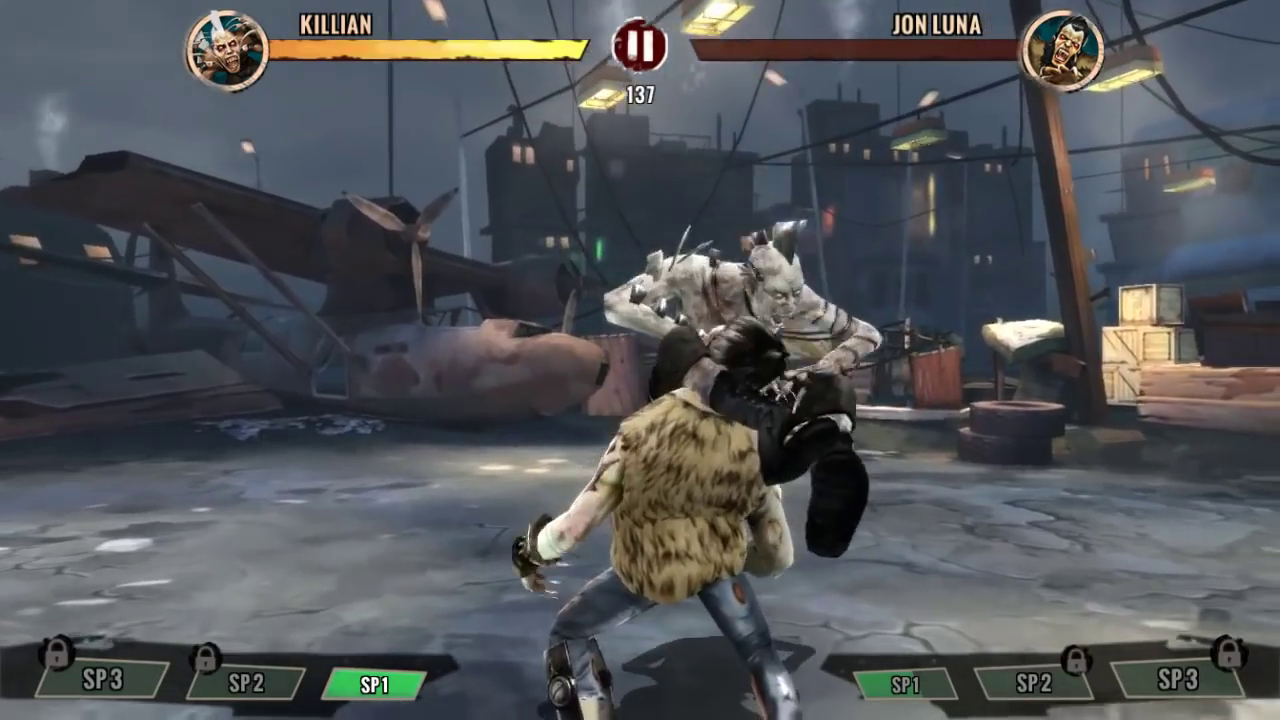
Because the combat depended on art and engineering executing it precisely, I wrote the reference documentation that kept everyone aligned: particle effect documents, sound reference documents, animation reference documents, and flowcharts for the programmers. On the product side I also tracked the pipeline across all three disciplines, making sure the documentation translated into the right deliverables at each milestone. I pushed for silhouette clarity and strong motion arcs in the animation, so every move read clearly at a glance — which is what makes telegraphs work.
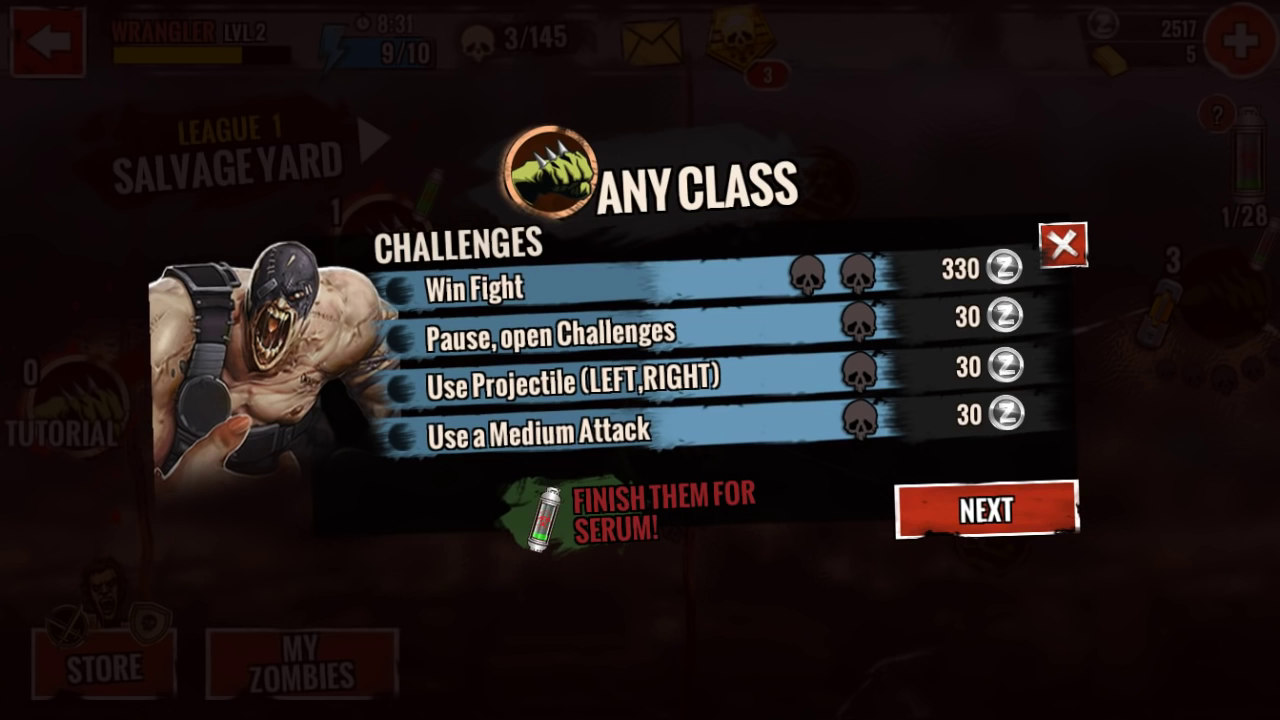
I wrote the character documents for each zombie using sketches, reference pictures, and animation references, and mapped each character's personality onto how it played. The AI was designed as probability-based templates tied to each zombie type, keyed off factors like health, power bar, and player progression, so opponents responded to the state of the fight rather than following a fixed script.
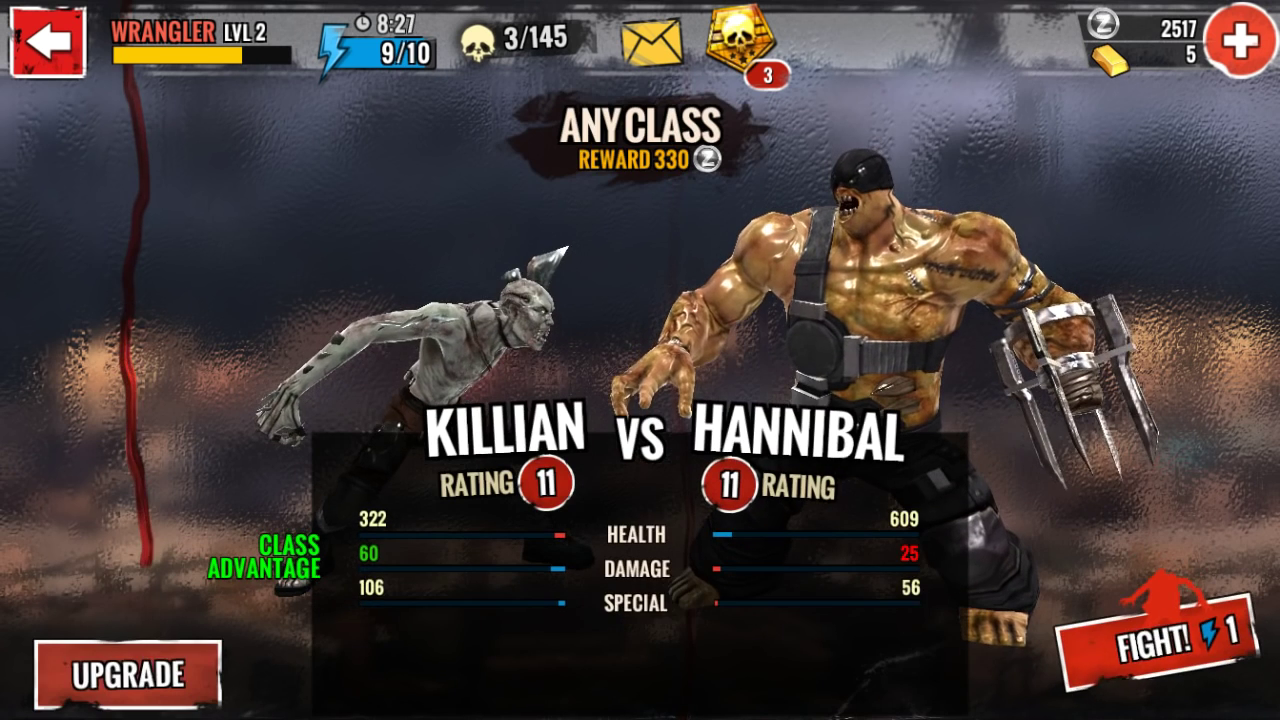
I designed the FTUE flow that teaches a weighty, telegraph-based combat system to a new player without overwhelming them. Teaching a slow brawler is its own challenge — the depth that makes it rewarding is also what can confuse a newcomer — so the onboarding had to reveal the system a piece at a time, letting players feel competent before the full weight of the combat landed on them.
What I Owned
The full combat system in UFE — moveset design, combat rules, combo asset pipeline, hit/block stun tuning, and prototype validation. The animation pipeline: references, silhouette direction, and motion arc standards. AI design as probability-based templates. Character frameworks and documentation for every zombie. FTUE and onboarding flow. All reference documentation for art and engineering. On the product side: pipeline tracking across art, animation, and engineering, milestone management, and scope oversight across the production cycle.
Combat & Feel
- Weighty, committed combat validated through prototype playtesting
- Distinct character personalities readable before the first hit lands
- AI opponents felt reactive, not scripted
- FTUE successfully taught a deliberate, telegraph-based system to newcomers
- Frame-accurate particle and sound cues delivered impact feel at every hit
Outcome
A combat system that felt weighty and fair, with characters that played like they looked.
The full system — moves, rules, AI, characters, and onboarding — was built on a pipeline designed to scale. The reference documentation kept art and engineering executing the design precisely rather than interpreting it, which is what made the combat land as intended rather than drift in production.
Running the product management alongside the design meant the pipeline didn't slip between disciplines. Every asset had a reference, every milestone had a scope, and the combat system that shipped matched what had been designed.